

Sustainability has become crucial in today’s environment, influencing everything from energy use to our furnishings. Eco-friendly barstools have become a shining example of how sustainability and design coexist as more companies and homes adopt eco-conscious lives. These barstools provide practicality, style, and environmental responsibility whether they are used in a busy bar, a comfortable café, or a chic home. This article covers the materials, advantages, design trends, and reasons why eco-friendly barstools are a crucial option for a sustainable future.
WHAT IS ECO-FRIENDLY BAR STOOL
Sustainable design is at the heart of eco-friendly barstools, which are sitting solutions. Utilizing recyclable, biodegradable, or renewable materials, together with waste and energy-saving techniques, these stools are made to impact the environment as little as possible. Eco-friendly barstools put the earth’s and its users’ health first, in contrast to conventional models that could use non-renewable materials or hazardous finishes.
SUSTAINABLE MATERIAL
- Timber and Recycled Wood
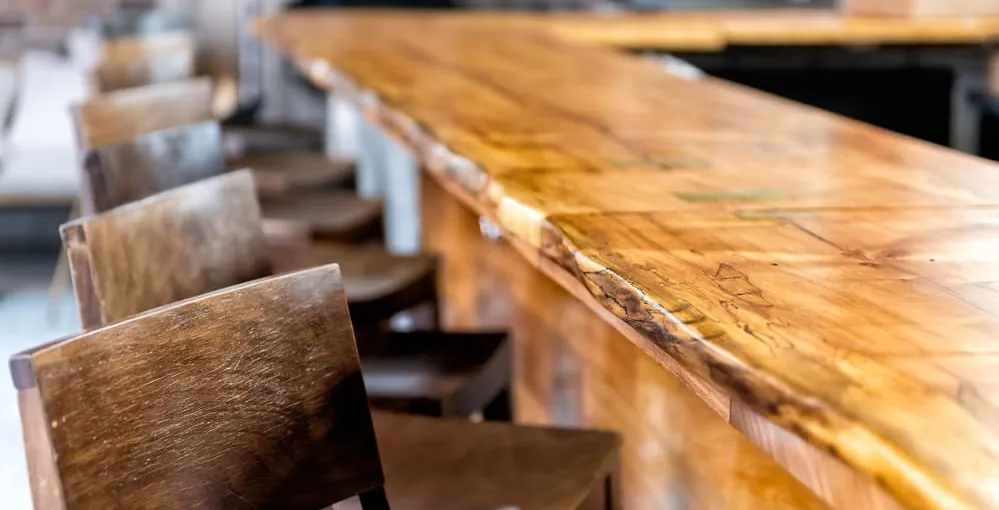
Reclaimed wood from old furniture, building sites or naturally fallen trees is used to make a lot of environmentally friendly barstools. This approach provides aged wood a second chance at life and prevents deforestation. Barstools made from recycled wood frequently have a rustic appeal and distinctive grain patterns that give any area personality.
- Bamboo
Bamboo is a popular choice for sustainable furniture because of its quick growth cycle—it can be harvested in three to five years, whereas hardwood trees require decades. Bamboo restaurant bar stools are visually pleasing, long-lasting, and lightweight, making them suitable for traditional and modern settings.
- Metal Recycled
The frames of environmentally friendly barstools are frequently made of recycled steel and aluminium. Because of their strength, ease of maintenance, and a high degree of recyclable nature, these materials are guaranteed to stay in the production cycle rather than wind up in landfills.
- The Cork
Harvested without causing any harm to the cork oak trees, cork is a sustainable material that is becoming increasingly popular due to its natural appearance and suppleness. In addition to being cosy, barstools with cork seats offer a hint of natural texture.
- plant-based material
New materials such as bioplastics made from maize, sugarcane, or other plant-based sources revolutionise sustainable furniture design. These materials decompose more readily than conventional plastics, lessening their long-term environmental effect.
ECO-FRIENDLY BAR STOOL IN COMMERICAL SPACES
Using eco-friendly furniture may be a powerful way for cafés, bars, and restaurants to demonstrate their dedication to the environment. Sustainable barstools’ longevity and visual beauty can enhance these areas and satisfy customers’ increasing need for environmentally aware companies. Additionally, putting eco-friendly furniture in public areas sets an example and inspires others to follow suit.
CHALLENGES AND FUTURE PROSPECTS
Eco-friendly barstools are becoming increasingly popular, but there are still obstacles to overcome. Consumers may need to be informed about the long-term advantages of sustainable materials, which can occasionally be more expensive up front. Nonetheless, improvements in material science and growing consumer awareness are anticipated to reduce prices and increase availability.
We should expect even more innovation in environmentally friendly furniture design in the future, with smart technology and the ideas of the circular economy playing a big part. Designers will likely persist in experimenting with biodegradable materials and modular designs that facilitate the recycling and repair of furniture.
CONCLUSION
Eco-friendly barstools are essential to a sustainable future, not merely a passing fad. By selecting these stools, people and organizations may enjoy fashionable and long-lasting sitting options while lessening their environmental impact. These barstools, made of bamboo, repurposed metals, recovered wood, or bioplastics, demonstrate how sustainability and superior design coexist. Eco-friendly barstools are set to become a timeless mainstay in contemporary home design as the trend towards eco-conscious living gains momentum.