

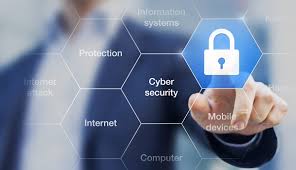
Introduction to PC security software
In our ever-connected world, the importance of safeguarding personal data can’t be overstated. With cyber threats growing more sophisticated by the day, PC security software has become an essential tool for every user. Whether you’re a casual internet surfer or deep into online gaming, protecting your sensitive information should be at the top of your priority list. As technology evolves, so do the methods attackers use to breach our defenses. That’s why understanding the latest trends in PC security software is crucial for staying ahead of these risks and ensuring that your data remains safe from prying eyes. Let’s dive into what you need to know about securing your digital life!
Importance of protecting personal data
In today’s digital age, personal data is more vulnerable than ever. Breaches can happen in an instant, exposing sensitive information to malicious entities.
Every time we shop online or browse social media, we leave a trail of data behind. This includes everything from our addresses to financial details. Protecting this information isn’t just about privacy; it’s crucial for maintaining our security.
Identity theft and fraud are real threats that can wreak havoc on lives. Once stolen, personal data can be misused in countless ways—often with devastating effects.
Moreover, organizations handling your data have a responsibility to protect it as well. When they fail, the consequences ripple outwards affecting customers deeply.
Safeguarding personal data should be a priority for everyone who values their privacy and safety online. It’s essential not only for individuals but also for businesses aiming to build trust with their clients.
Types of data that need protection
Data protection is essential for various types of information. Personal data, such as names, addresses, and social security numbers, must be safeguarded against unauthorized access.
Financial details are equally vulnerable. Banking information and credit card numbers can lead to identity theft if compromised.
Sensitive business data poses risks too. Intellectual property, trade secrets, and client lists require robust protection measures to prevent corporate espionage.
Health records represent another critical area. With the rise of telemedicine, safeguarding personal health information has never been more crucial.
Digital communications should not be overlooked. Emails and messages often contain sensitive content that needs encryption to ensure privacy.
Each type of data demands specific security strategies tailored to its unique vulnerabilities. Recognizing these categories helps in choosing effective protective measures.
Traditional methods of data protection
Traditional methods of data protection have been around for decades. They often rely on basic antivirus software and firewalls to keep threats at bay. These tools create a first line of defense against malware, viruses, and other malicious attacks.
Another common practice is regular backups. Users can store their important files on external hard drives or cloud services. This ensures that even if data is compromised, it can be restored with minimal hassle.
Encryption has also played a vital role in safeguarding sensitive information. By converting data into unreadable formats, unauthorized access becomes nearly impossible.
However, these methods alone may not suffice in today’s complex cyber landscape. As technology evolves, so do the tactics employed by cybercriminals. Traditional measures might need to be supplemented by more advanced solutions for effective protection against modern threats.
The latest trend in PC security software – advanced data protection features
The landscape of PC security software is evolving rapidly. Advanced data protection features are now leading the charge in safeguarding sensitive information.
Encryption technology has become more sophisticated, making it harder for cybercriminals to access your data. This ensures that even if your system is compromised, your personal files remain locked away.
Real-time monitoring tools provide constant surveillance of unusual activities on your device. These alerts can help you take immediate action before a potential breach escalates.
Another exciting trend is the integration of artificial intelligence in threat detection. AI-driven solutions analyze patterns and behaviors, enabling proactive defense against emerging threats.
Moreover, cloud-based security options offer flexibility and seamless updates without user intervention. With these advanced features at play, protecting personal data has never been easier or more effective.
FOR MORE INFORMATION CLICK HERE : skydiving in dubai
Benefits of using advanced data protection software
Advanced data protection software offers a robust shield against an array of cyber threats. With features like real-time monitoring, it identifies and neutralizes risks before they escalate.
This type of software often employs cutting-edge encryption methods. Sensitive information remains secure, even if it falls into the wrong hands.
Moreover, many solutions include automatic updates. Users benefit from the latest security patches without lifting a finger.
User-friendly interfaces make navigation simple for everyone, not just tech enthusiasts. Thus, individuals and businesses can easily manage their data security.
Additionally, advanced tools often come with cloud backup options. This ensures that your important files are always accessible yet secured in case of hardware failure or ransomware attacks.
With such comprehensive protections in place, peace of mind becomes part of daily life for users everywhere.
Comparing different software options in the market
When it comes to PC security software, you have numerous options. Each product offers unique features tailored to different user needs.
Norton and McAfee are popular for their comprehensive protection. They provide real-time scanning and various additional tools like VPNs and password managers.
For those seeking lightweight solutions, Bitdefender or Kaspersky might be more appealing. These programs efficiently protect without hogging system resources.
Looking at user-friendly interfaces? Avast and AVG excel in making navigation seamless while delivering robust security measures.
Don’t overlook emerging players like Malwarebytes. Their focus on malware removal sets them apart from traditional antivirus solutions.
Consider your specific requirements—data encryption, multi-device support, or parental controls can sway your decision significantly. Researching reviews can help identify which software aligns with your priorities before committing to a purchase.
Tips for choosing the right PC security software
Choosing the right PC security software can be a daunting task. Start by evaluating your specific needs. Consider what types of data you handle and how sensitive that information is.
Look for software with comprehensive features, such as anti-virus protection, firewall capabilities, and real-time monitoring. These elements provide robust defense against various threats.
User experience matters too. Opt for a solution that’s easy to navigate and doesn’t bog down system performance. Read reviews from trusted sources or communities like geeks callout in London for insights on usability.
Don’t forget about customer support. Reliable assistance can be invaluable when issues arise or questions need answering.
Consider the cost versus value offered by each option. Sometimes investing a bit more upfront saves you from potential losses later on due to inadequate protection.
Conclusion
As technology advances, so does the need for robust PC security software. The landscape of data protection is constantly evolving, and individuals must stay informed to safeguard their personal information effectively. With the rise in cyber threats, it’s essential to understand the importance of protecting your data—from financial details to sensitive personal communications.
The introduction of advanced data protection features has changed how we think about cybersecurity. These innovations go beyond traditional antivirus measures, offering tools like real-time monitoring and AI-driven threat detection that can preemptively identify vulnerabilities.
While many software options exist on the market today, comparing them based on features and user reviews can guide you toward a solution that best fits your needs. Take time to assess what types of data require protection in your situation—this insight will help narrow down your choices significantly.
Choosing the right PC security software means evaluating not just its effectiveness but also its usability and customer support services available. Don’t hesitate to consult platforms or communities such as Geeks Callout London for recommendations tailored specifically for users looking for reliable solutions.
Making informed decisions about PC security is vital in today’s digital age where protecting one’s personal information isn’t just advisable—it’s necessary. Stay vigilant and proactive with your approach to cybersecurity; it’s an investment worth making.