

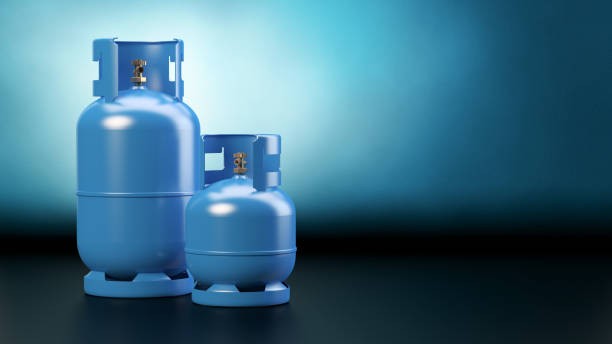
When dealing with Liquefied Petroleum Gas (LPG), understanding how it’s measured is crucial for both consumers and businesses. Whether you’re using it for home heating, cooking, or industrial applications, knowing the right measurement units ensures you get the correct amount of gas for your needs. Unlike other fuels, LPG exists in both liquid and gaseous states within a cylinder, making its measurement a bit different from standard fuels like petrol or diesel.
So, how exactly is LPG measured? Let’s break it down in a way that’s easy to understand.
LPG Measurement Units
LPG can be measured in multiple ways, depending on its state and how it’s being sold. The most common units include:
- Kilograms (kg) – When you purchase an LPG cylinder, it’s usually sold by weight. For example, a typical household gas bottle might be labelled as a 9kg or 45kg cylinder. This weight represents the amount of LPG contained inside, not the total weight of the bottle itself.
- Litres (L) – In bulk storage or when refilling, LPG is often measured in litres. This is because, in its liquid form, LPG takes up less space than in its gaseous state. For example, if you’re filling an LPG tank at a service station, you’ll see the amount dispensed in litres.
- Cubic Metres (m³) – When LPG is in a gaseous state, such as when it’s supplied through pipelines or used for commercial applications, it is measured in cubic metres. This is more commonly used in large-scale industrial applications rather than household use.
- Megajoules (MJ) – Energy content is also an important factor when measuring LPG. The heat energy contained in LPG is measured in megajoules. This unit is useful when comparing different types of fuels to determine which provides the most energy per unit.
Why is LPG Measured by Weight in Bottles?
For bottled LPG, weight is the most reliable and practical measurement method. Since LPG is stored under pressure as a liquid, its volume can change with temperature. This means that if you were to measure it by litres, you’d have to account for fluctuations due to temperature changes. By selling LPG by weight, suppliers ensure customers receive a consistent and accurate amount regardless of temperature variations.
This is also why when you refill an LPG bottle, the process often involves weighing the cylinder before and after filling to confirm the correct amount has been added.
How Do You Know How Much LPG is Left in Your Cylinder?
Unlike petrol tanks, which have fuel gauges, most LPG bottles don’t come with an indicator showing the exact amount of gas remaining. However, there are a few simple methods you can use to estimate how much LPG is left:
- Weigh the Bottle – If you know the empty weight of your cylinder (usually stamped on the bottle), you can weigh it and subtract the empty weight to find out how much gas is left.
- Use Warm Water – Pouring warm water down the side of the gas bottle and feeling where the temperature changes can give you an idea of the gas level. The LPG inside absorbs heat, making the part with gas feel cooler.
- LPG Gauges – Some aftermarket LPG bottles come with gauges that indicate the remaining gas level, but these are not always standard.
- Flow Rate Indicators – In some cases, flow meters or pressure gauges are used, though they may not always provide an exact measurement due to LPG’s pressure fluctuations.
Choosing a Reliable LPG Supplier
Whether you’re using LPG for home cooking, heating, or running a business, it’s important to source it from a trusted supplier. Quality and safety are crucial when handling LPG, and working with an experienced LPG gas bottle supplier like Plus Gas ensures you receive properly filled and tested cylinders that meet safety standards.
How is LPG Measured in Bulk Supply?
For larger applications, such as commercial kitchens, factories, or transport fleets using LPG, measurement methods differ. In these cases, LPG is often supplied in bulk and stored in large tanks. Bulk LPG deliveries are typically measured in litres rather than kilograms.
Suppliers use flow meters to accurately measure the amount dispensed. These meters are designed to compensate for temperature variations to ensure consistency. Additionally, some businesses rely on telemetry systems that monitor LPG levels in storage tanks and automatically schedule deliveries when levels are low.
Why Does LPG Expand with Temperature?
One unique property of LPG is that it expands significantly when heated. This is why LPG bottles are never filled to their maximum capacity. Instead, they are filled to about 80% of their total volume, leaving room for expansion.
For example, if you fill an LPG bottle on a cold morning and then place it in the sun, the gas inside will expand. Without the extra space left in the cylinder, pressure could build up and cause safety risks.
Conclusion
Understanding how LPG is measured helps you make informed decisions when purchasing, storing, and using it. Whether you’re dealing with bottled gas, bulk supply, or even checking how much LPG is left in your cylinder, knowing these measurement units can prevent wastage and ensure you get the best value for your money.
If you’re looking to buy a new gas bottle, Plus Gas offers high-quality, safe, and reliable LPG solutions to meet your needs.
To read more similar stories, click here.