

The field of healthcare is rapidly evolving, marked by advances in technology and shifts in patient care strategies. At the core of these changes is the critical role played by knowledge management, which is vital for ensuring seamless operations and quality patient outcomes. Healthcare knowledge management involves the systematic handling of information and resources, and it aids healthcare organizations in making informed decisions, fostering learning, and maintaining regulatory compliance. Through this practice, institutions can enhance their service delivery and continually improve their healthcare practices. In this article, we will explore the nuances of knowledge management within the healthcare setting and its significant contributions to the field.
The Impact of Knowledge Management on Patient Care

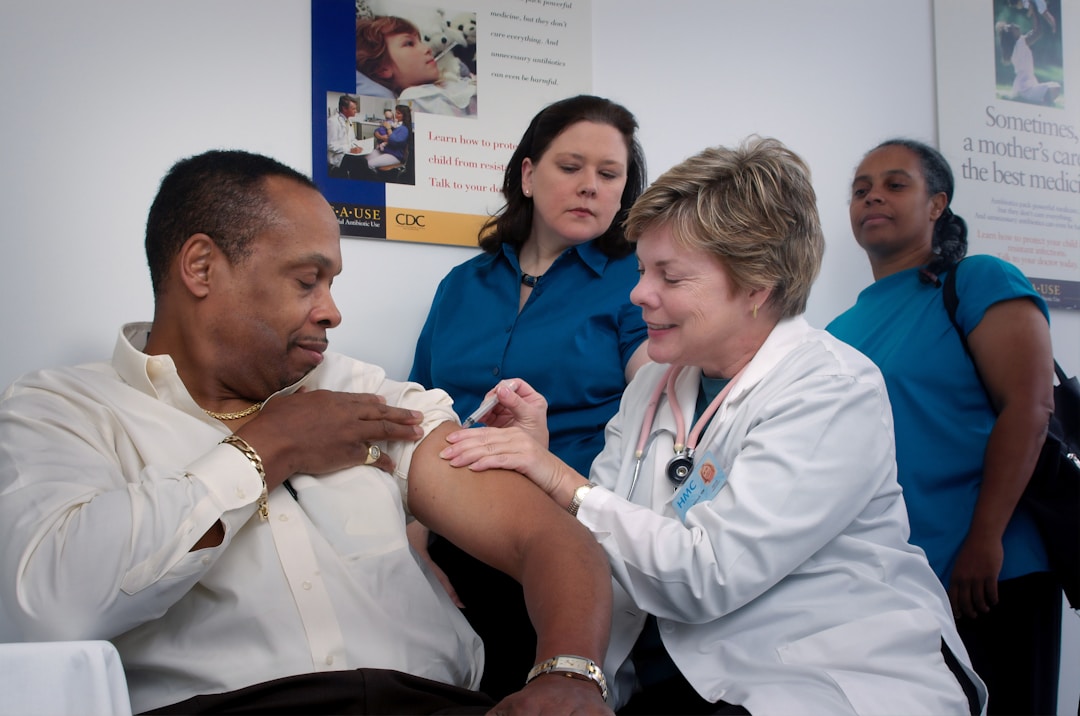
Alt text: Doctor and patients in a healthcare setting, discussing patient care while demonstrating the use of healthcare knowledge management tools
Robust knowledge management systems significantly enhance patient care by fostering a culture of collaboration and evidence-based practice. When healthcare professionals have access to a wealth of information, they can make timely and more accurate diagnoses, leading to faster and more effective treatment plans.
This management strategy also plays a pivotal role in reducing medical errors, which are a leading concern in patient safety. With an integrated system that provides instant access to protocols and drug information, clinicians are less likely to make prescription or treatment errors. This improved accuracy directly translates to better outcomes for patients.
Moreover, healthcare delivery efficiency is greatly intensified when the manual search for relevant data or best practice guidelines does not bog down practitioners. Seamless knowledge sharing ensures that time is saved, and more time can be devoted to patient care. It can also contribute to personalized care by enabling the incorporation of research findings and clinical data relevant to individual patient profiles.
Furthermore, patients themselves can benefit from knowledge management as they become more engaged in their care plans. Providing patients with access to educational materials empowers them to make informed choices about their healthcare and fosters a partnership between the patient and their healthcare providers.
Leveraging Technology for Knowledge Sharing in Healthcare

Alt text: A doctor in her office, using technology to facilitate knowledge sharing and enhance healthcare practices
The adoption of advanced technology plays a profound role in optimizing knowledge management in healthcare. Electronic Health Records (EHRs) are a prime example of how digital tools can facilitate the centralization and instant retrieval of patient data, which is essential for effective care coordination and continuity.
Artificial intelligence and machine learning applications are also transforming how knowledge is analyzed and utilized in healthcare. These applications can process vast amounts of data to identify patterns and insights that can improve patient outcomes, streamline operations, and inform clinical decision-making.
Virtual collaboration platforms and telemedicine have also emerged as critical components of knowledge sharing within healthcare. These tools enable professionals in different locations to consult with one another, share expertise, and conduct virtual rounds, bridging the gap between various levels of care and expertise.
Further reinforcing knowledge management are data security technologies. With an emphasis on HIPAA compliance and the safeguarding of patient information, cybersecurity measures are integral to ensuring that knowledge is shared responsibly and securely, maintaining patient trust and institutional integrity.
Best Practices for Implementing Knowledge Management Systems in Healthcare Institutions
The successful implementation of knowledge management systems in healthcare institutions is not without its challenges. It requires a deliberate strategy that starts with leadership buy-in and the commitment of resources, both human and financial. Leadership must prioritize knowledge management for it to permeate throughout the organization.
Training and ongoing education are paramount to ensure that all staff are competent in utilizing the systems in place. This can involve regular workshops, online modules, and peer-to-peer coaching sessions that foster a culture of continuous learning and adaptation to new knowledge management tools.
Additionally, healthcare organizations should establish clear policies and protocols around knowledge sharing and management. These guidelines must clarify roles and responsibilities, outline processes for knowledge dissemination, and explain how to update and maintain knowledge resources.
Measures to evaluate the effectiveness of knowledge management systems should also be put in place. These can include regular audits, staff surveys, and performance metrics that gauge the impact on patient care outcomes and operational efficiencies. Continuous improvement efforts can then be targeted based on these insights.
Altogether, knowledge management is a cornerstone of modern healthcare, enabling professionals to deliver efficient, evidence-based, and patient-centered care. By leveraging technology, fostering collaboration, and implementing best practices, healthcare institutions can enhance patient outcomes and streamline operations.