

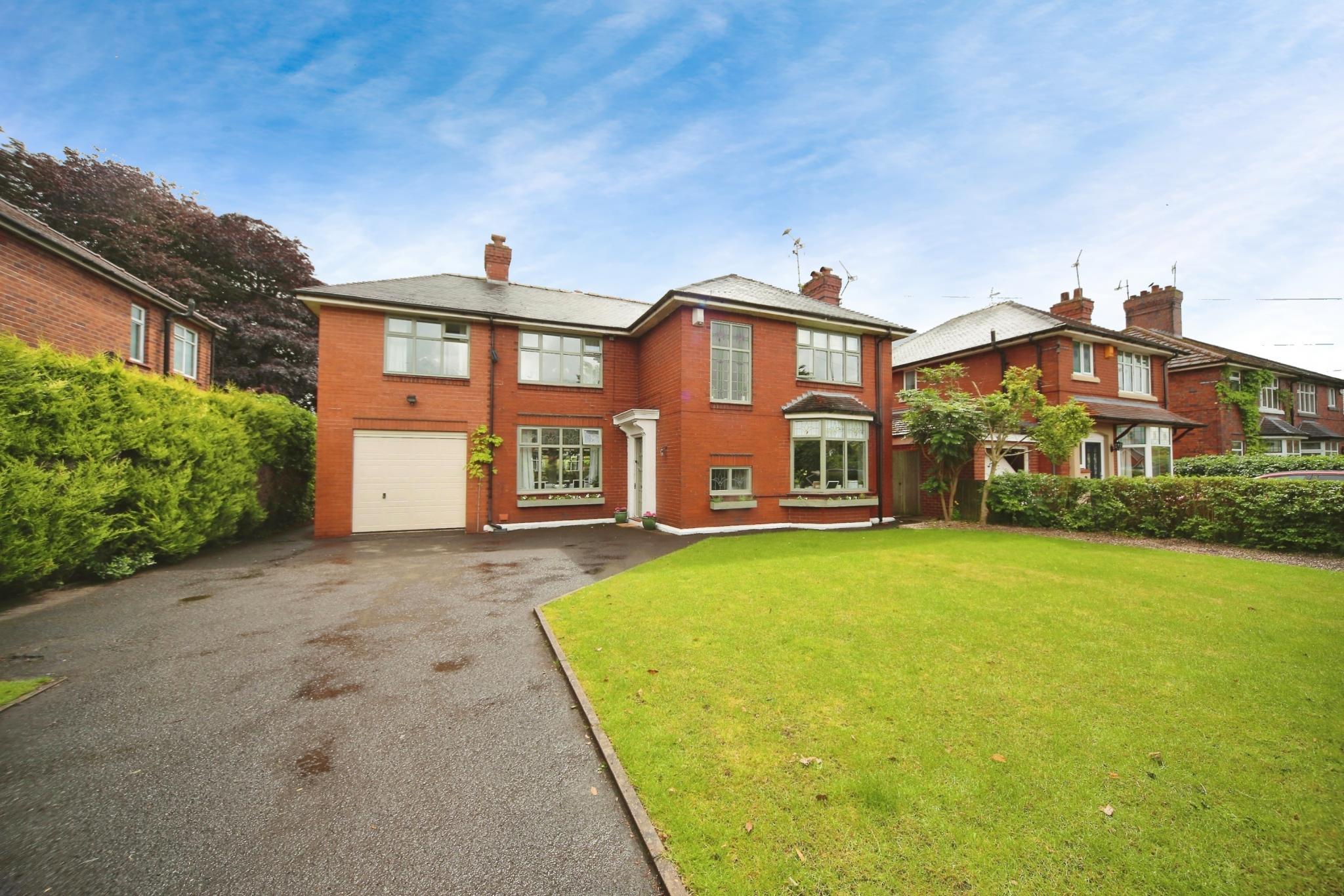
Buying property in Crewe, like anywhere else in the UK, is a significant investment that involves various legal steps to ensure a smooth transaction. According to professional estate agents in Crewe understanding the legal side of the process can help you avoid pitfalls and make informed decisions, ultimately leading to a successful purchase. From making an offer to finalising the contract, here’s how to navigate the legal aspects of buying a property in Crewe.
1. Finding the Right Property and Making an Offer
Before diving into the legalities, the initial steps involve finding a property in Crewe that meets your needs. Once you’ve found your desired property, the next step is to make an offer.
- Making an Offer: You can make an offer directly to the seller’s estate agent. The offer can be at the asking price or lower, depending on market conditions and the property’s perceived value. The offer is not legally binding at this stage, and either party can withdraw from the process until contracts are exchanged later.
- Offer Acceptance: If the seller accepts your offer, they will instruct their estate agent to take the property off the market, signifying that the sale is progressing. However, you should be aware of “gazumping,” where the seller accepts a higher offer from another buyer even after accepting yours. To mitigate this, aim to proceed with the next steps swiftly.
Tip: Ensure your finances are in place, including a mortgage agreement in principle if needed, to show that you are a serious buyer. This can make your offer more attractive to the seller.
2. Appointing a Solicitor or Conveyancer
Once your offer is accepted, you need to appoint a solicitor or licensed conveyancer to handle the legal aspects of the transaction. They will guide you through the process, carry out necessary checks, and ensure that all legal documents are in order.
- Role of the Solicitor/Conveyancer: Your solicitor will handle the transfer of ownership, conduct property searches, draw up contracts, and manage payments. They will also liaise with the seller’s solicitor to ensure all terms are agreed upon and that the property is legally sound for purchase.
- Cost: Conveyancing fees can vary but typically range from £850 to £1,500, depending on the complexity of the transaction and the property’s value. These fees cover services such as conducting searches, handling paperwork, and processing payments.
Tip: Choose a solicitor experienced in property transactions within Crewe. Local knowledge can be beneficial, particularly when dealing with unique regional factors such as planning permissions and property histories.
3. Conducting Property Searches
Property searches are essential to identify any issues that might affect the property’s value, condition, or your ability to use it as intended. Your solicitor will carry out these searches to provide you with detailed information about the property and its surroundings.
- Local Authority Search: This search checks for planning issues, building control consents, and any pending enforcement actions. It reveals if there are plans for new roads, changes in zoning laws, or other developments that might affect the property.
- Land Registry Search: Confirms the property’s legal ownership and whether there are any restrictions or rights, such as easements, affecting the property.
- Environmental Searches: These searches identify potential environmental risks, such as flooding, subsidence, or land contamination, that could impact the property’s safety and value.
- Water and Drainage Search: Verifies if the property is connected to public water supplies and drainage systems and whether any public drains are located on the property.
Tip: Review the search results carefully and discuss any concerns with your solicitor. If any issues are identified, you may need to negotiate repairs or even reconsider the purchase.
4. Surveying the Property
While not a legal requirement, having a property survey is crucial to uncover potential structural issues or defects that may not be immediately visible. There are several types of surveys available:
- Homebuyer Report: Suitable for conventional properties in reasonable condition, it highlights major defects and provides a general overview of the property’s condition.
- Building Survey: Offers a more in-depth analysis and is recommended for older or more complex properties. It identifies hidden defects, structural concerns, and maintenance needs.
- Mortgage Valuation: Required by lenders to ensure the property is worth the loan amount. However, this is not a detailed survey and is mainly for the lender’s benefit.
Tip: Investing in a detailed survey, especially for older properties in Crewe, can save you money and stress in the long run by identifying issues that could lead to costly repairs.
5. Reviewing and Exchanging Contracts
Your solicitor will draft a contract for the purchase, which includes the terms of sale, agreed-upon price, and other conditions. Before you sign, your solicitor will explain all clauses and ensure the contract aligns with your interests.
- Deposit: At this stage, you will be required to pay a deposit, typically 5-10% of the property price. This deposit is held in a secure account and forms part of the final payment upon completion.
- Exchange of Contracts: Once both parties sign the contracts and exchange them, the sale becomes legally binding. Neither party can back out without incurring penalties, such as losing the deposit (for the buyer) or facing potential legal action (for the seller).
Tip: Only exchange contracts when you are fully satisfied with the property’s condition, the results of searches, and the terms of the contract. Your solicitor will handle the exchange process to ensure everything is in order.
6. Arranging Property Insurance
From the moment you exchange contracts, you are legally responsible for the property, even though you do not yet own it. Therefore, it’s essential to arrange buildings insurance at this stage to protect your investment.
- Required by Lenders: If you’re taking out a mortgage, your lender will require proof of buildings insurance before completion. This policy covers the property’s structure against risks like fire, flooding, or storm damage.
- Comprehensive Coverage: While buildings insurance is a must, consider adding contents insurance to protect your belongings once you move in.
FOR MORE INFORMATION CLICK HERE : dune buggy dubai
Final Thoughts
Navigating the legal side of buying property in Crewe involves several crucial steps, from making an offer to completing the transaction. By working with an experienced solicitor, conducting necessary property searches, and reviewing contracts thoroughly, you can ensure that the process is smooth and legally sound.