

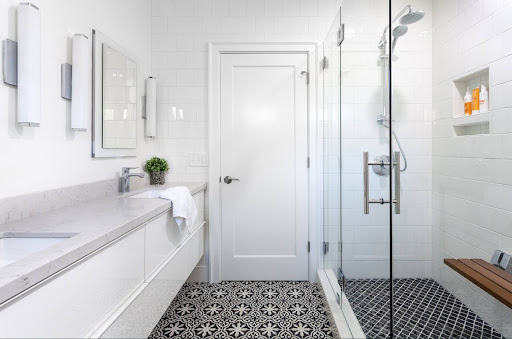
When it comes to bathroom renovations, one of the most critical decisions is selecting the right flooring. Your bathroom floor must not only look aesthetically pleasing, but it must also meet practical requirements such as water resistance, durability, and ease of maintenance. Whether you’re planning a full remodel or just updating the flooring, picking the right material is crucial to avoid future regrets. This guide will take you through the essential features to consider, popular styles, and tips for seamlessly fitting your bathroom flooring into the rest of your interior design. When in doubt, it’s always a good idea to consult Interior Designers London to ensure your design choices stand the test of time.
Features to Consider for Bathroom Flooring
The bathroom is one of the most humid spaces in a home, so the flooring you choose should be able to withstand constant moisture, occasional water spills, and heavy foot traffic. Here are some important features to keep in mind:
- Water Resistance: This is non-negotiable when it comes to bathroom flooring. Water can damage materials that are not properly sealed or designed for high moisture environments. Choose water-resistant or waterproof materials to prevent warping, mold, and mildew issues. Materials like ceramic, porcelain tile, vinyl, and natural stone are top choices for water resistance.
- Durability: Your bathroom floor will face daily wear and tear, from steamy showers to dropped items like hairdryers or cosmetics. Durability is key. Tiles, especially porcelain and ceramic, are known for their hardiness, while vinyl offers a more budget-friendly durable alternative. Natural stone is also highly durable but requires regular sealing to maintain its resilience.
- Safety: Bathrooms are notorious for being slippery, especially after a hot shower. Choose materials with a slip-resistant surface. Many tiles are available with anti-slip coatings, or you can opt for textured stone or vinyl with a rough surface to provide better traction.
- Ease of Cleaning: You’ll want a floor that’s easy to clean and maintain. Smooth surfaces like porcelain tiles or luxury vinyl are easier to wipe down and disinfect than porous materials like natural stone, which can stain and require sealing.
- Comfort: While functionality is crucial, comfort shouldn’t be overlooked, especially in a bathroom where people walk barefoot. Tile and stone can feel cold underfoot, but adding radiant floor heating beneath can solve this issue. Vinyl, on the other hand, tends to be warmer and softer on bare feet.
When choosing your bathroom floor, it’s important to match functionality with aesthetics. For expert guidance on this balancing act, consider the expertise of Interior Designers London who can help you weigh both the practical and design aspects seamlessly.
FOR MORE INFORMATION CLICK HERE : staycation uae
Popular Bathroom Flooring Materials
There are several excellent flooring options to choose from that meet the functional demands of a bathroom while offering diverse design possibilities. Let’s dive into some of the most popular choices:
1. Ceramic and Porcelain Tile
Both ceramic and porcelain tiles are excellent choices for bathroom flooring because they are water-resistant, durable, and available in a wide range of styles, colors, and textures. Porcelain tiles, in particular, are denser and less porous than ceramic, making them slightly better for areas with high moisture. Tiles can mimic the look of natural stone, wood, or even concrete, allowing for versatility in design. These materials also work well with underfloor heating, enhancing comfort.
2. Natural Stone
Natural stone, such as marble, slate, or travertine, exudes luxury and timeless elegance. Each stone tile is unique, offering a one-of-a-kind look. However, stone requires regular maintenance to prevent moisture damage. Sealing is essential to prevent staining and water penetration. While stone can be a more expensive option, it provides unparalleled beauty and can increase the value of your home.
3. Luxury Vinyl
Vinyl has come a long way in recent years. Luxury vinyl planks or tiles (LVT) are waterproof, budget-friendly, and mimic the appearance of wood or stone, making them an excellent option for bathroom floors. Vinyl is softer and warmer underfoot compared to tile or stone, offering more comfort. It’s also easy to install and maintain, which makes it an attractive choice for those who want to tackle a DIY project.
4. Engineered Wood
While hardwood is not ideal for bathrooms due to its susceptibility to moisture, engineered wood is a better alternative. Made of a plywood core with a hardwood veneer, engineered wood can handle moisture better than solid wood. However, it’s still not as water-resistant as tile or vinyl and requires careful installation to prevent water seepage.
5. Concrete
Concrete flooring has grown in popularity, especially in modern and industrial-style bathrooms. It is durable, waterproof when sealed, and can be customized with various stains, textures, and finishes. Concrete floors can also be paired with underfloor heating to add warmth and comfort.
For more guidance on materials, don’t hesitate to consult Interior Designers London, who are skilled at selecting the right flooring for both style and functionality.
Bathroom Flooring Styles and How to Seamlessly Integrate Them
Now that you’ve considered the functional aspects of bathroom flooring, it’s time to think about style. Your bathroom floor should complement the overall aesthetic of your home, creating a harmonious flow between spaces. Here are some popular bathroom styles and how to integrate your flooring choice seamlessly.
FOR MORE INFORMATION CLICK HERE : valentine day gift for wife
1. Modern Minimalist
For a sleek, clean look, modern minimalist bathrooms often use large-format porcelain tiles or polished concrete. The simplicity of these materials creates a spacious, clutter-free feel. Opt for neutral tones like whites, grays, or blacks to emphasize minimalism. You can add texture through the finish of the tiles, such as matte or glossy, to keep the space from feeling too clinical.
2. Classic Elegance
If you’re drawn to a more traditional style, natural stone such as marble or travertine is an excellent choice. These materials bring a sense of luxury and timelessness. Pair marble with classic fixtures like clawfoot tubs and polished chrome faucets for a sophisticated, elegant bathroom. For seamless integration, consider carrying the same stone up the walls or using it in accents like shower niches or countertops.
3. Rustic and Cozy
For a warm and inviting feel, wood-look tiles or engineered wood are ideal for a rustic bathroom. These materials mimic the appearance of natural wood while providing better moisture resistance. Pair your wood-look flooring with natural stone countertops and earthy tones in your decor to create a space that feels cozy and connected to nature.
4. Industrial Chic
If you’re a fan of the industrial look, concrete flooring is a perfect fit. This style pairs well with exposed brick, metal fixtures, and minimal decor. For a cohesive look, carry the concrete or similar textures into the shower walls or vanity top. To avoid the room feeling too cold, soften the look with warm lighting and a few textured textiles.
5. Bohemian Eclectic
For a more colorful, playful design, consider patterned tiles or brightly colored ceramic tiles. Moroccan or encaustic tiles can add a vibrant touch to the floor, becoming the focal point of the bathroom. Keep the rest of the decor simple to let the floor take center stage. This style allows for creativity and self-expression, making it a fun option for those who want to break away from traditional designs.
For personalized advice on how to incorporate these styles into your bathroom, seek the guidance of Interior Designers London, who are experts at blending functionality and beauty in home designs.

How to Seamlessly Fit Your Bathroom Floor into the Overall Design
While your bathroom floor is a key feature, it should work harmoniously with other elements in the room and the rest of your home. Here are some tips for achieving a seamless fit:
- Coordinate with Wall Tiles: Choose wall tiles that complement your floor. For instance, if you opt for bold patterned floor tiles, balance them with more neutral, understated wall tiles. Conversely, if you choose simple flooring, you can experiment with more intricate wall tiles to add interest.
- Match the Color Palette: Keep your bathroom’s color palette in line with the rest of your home. If your house features warm tones, select bathroom flooring in complementary shades like beige, cream, or soft wood tones. For cooler color schemes, go with grays, whites, or blues.
- Use Consistent Materials: To create continuity, consider using the same or similar materials in different areas of your home. For example, if you have wood-look vinyl in your living areas, you can extend that look into the bathroom for a seamless transition.
- Add Accent Rugs: Rugs can soften the look of a tiled or stone bathroom floor while adding a layer of comfort. Choose rugs that align with the overall style of your bathroom. For instance, a vintage-style rug could enhance a rustic or bohemian bathroom, while a sleek, neutral rug may suit a modern minimalist space.
Ultimately, the key to making a bathroom floor work seamlessly with your space is balancing functionality with aesthetics. Collaborating with Interior Designers London will ensure that you choose a flooring option that not only meets practical needs but also enhances the overall design of your home.
Selecting the right floor for your bathroom is a significant decision that requires careful consideration of both style and practicality. From water resistance and durability to ease of cleaning and comfort, each feature plays an essential role in determining the suitability of your chosen flooring material. When in doubt, reaching out to Interior Designers London can help you make informed choices that align with both your aesthetic vision and functional needs. Whether you prefer the elegance of natural stone, the versatility of vinyl, or the industrial chic look of concrete, the right bathroom flooring can elevate your space while providing long-lasting durability and style.